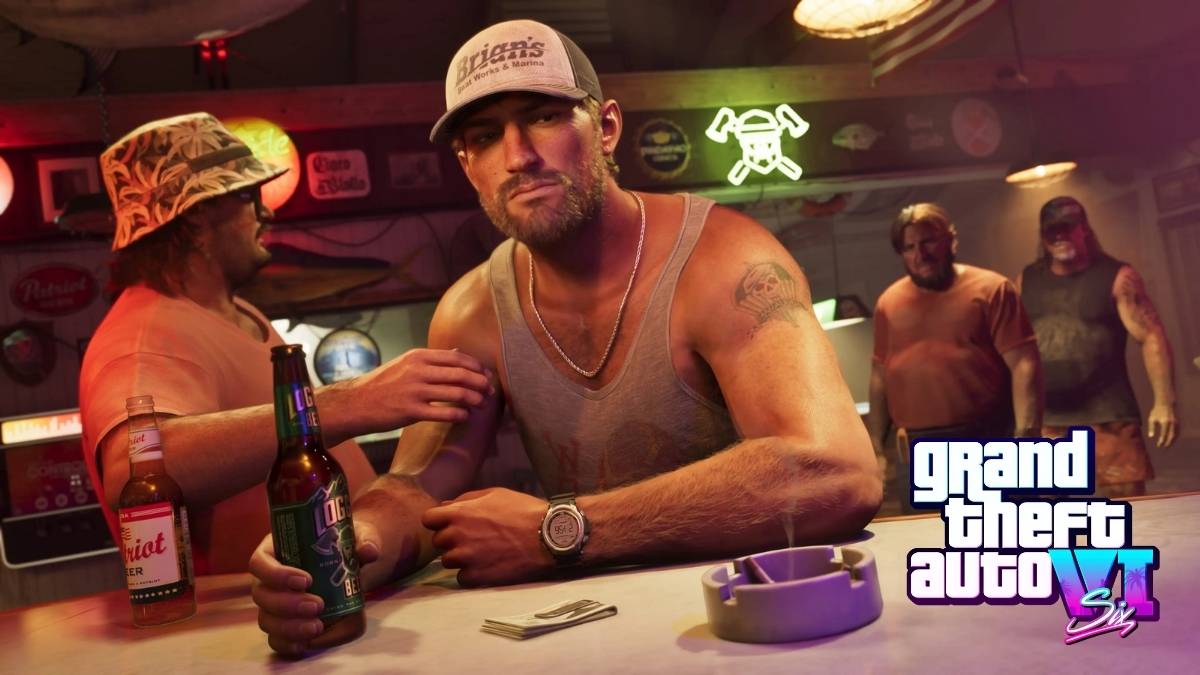
The gaming world is currently holding its collective breath as we approach the final months of 2026. For over a decade, the industry has been shaped by the shadow of the next installment in the Grand Theft Auto series. Rockstar Games, a studio known for setting the gold standard in open-world storytelling, is on the precipice of releasing what many experts, analysts, and fans consider the most significant entertainment launch in history. As we draw closer to November 19, 2026, the excitement has moved beyond mere fan speculation to become a genuine economic and cultural event that is influencing hardware sales, corporate strategies, and the overall trajectory of the interactive entertainment sector.
The Significance of the November 2026 Launch Window
The decision to lock in November 19, 2026, as the release date for PlayStation 5 and Xbox Series X|S consoles marks a defining moment for Rockstar Games and its parent company, Take-Two Interactive. After years of development, which reportedly involved a massive budget exceeding one billion dollars, the pressure to deliver a polished, transformative experience is immense. Recent signals from industry giants, including Sony, further solidify this timeline. In recent days, reports have surfaced indicating that Sony is actively prompting PlayStation 4 users to consider upgrading to the PlayStation 5, specifically referencing the upcoming release of Grand Theft Auto VI. This move suggests a high level of confidence in the current release schedule and underscores the importance of the game as a driver for hardware adoption during the critical holiday season.
Why GTA VI Represents an Unprecedented Scale
When people discuss this title as Rockstar’s biggest launch, they are not merely talking about marketing volume. The sheer scale of development for Grand Theft Auto VI has been gargantuan, spanning years of production that began shortly after the launch of its predecessor. Unlike any previous title in the franchise, this game faces the challenge of satisfying a global audience that has matured alongside the series. The anticipation has manifested in broken records, with the reveal trailer alone amassing hundreds of millions of views across various platforms in an incredibly short timeframe. This level of engagement is unprecedented, positioning the game as a central pillar upon which other industry players are building their own plans. Competitors and partners alike appear to be navigating their release calendars to avoid direct conflict with the GTA launch window, a testament to the game’s gravitational pull on the market.
Financial Stakes and Industry Expectations
The financial expectations surrounding Grand Theft Auto VI are nothing short of monumental. Analysts from various firms have projected that the game could generate billions of dollars in its opening year, potentially doubling the performance of Grand Theft Auto V. However, such high expectations bring a unique set of risks. With an investment that represents one of the largest expenditures in media history, the game is under pressure to perform at a level that redefines success. Stakeholders are looking for numbers that surpass traditional benchmarks, with some suggesting that anything less than massive day-one sales figures could be viewed as a point of contention. This dynamic has created a fragile ecosystem where the entire gaming industry seems tethered to the outcome of this single project. The conversation has shifted from whether the game will be successful to whether it will set a new bar for the entire medium or force a significant re-evaluation of how large-scale games are financed and produced.
The Console-First Strategy and What it Means for Players
Rockstar Games has maintained a firm stance on its platform strategy, prioritizing current-generation consoles for the initial release. By focusing on the hardware capabilities of the PlayStation 5 and Xbox Series X|S, the developers are signaling a desire to deliver a technical experience that utilizes the latest innovations in rendering, physics, and world density. This approach aligns with the company’s historical patterns of prioritizing their core audience on consoles before eventually bringing the title to PC. While this decision may be met with frustration by those who prefer to play on computer hardware, it allows Rockstar to optimize the experience for a more controlled environment. The strategy is clear: provide the most stable and visually impressive version of the game at launch, ensuring that the initial reception is defined by the quality of the gameplay rather than technical limitations. As November approaches, all eyes remain fixed on Rockstar Games, waiting to see if their latest masterpiece will indeed redefine the boundaries of what a video game can achieve.
